September 24, 2026
In an era where energy prices continue to fluctuate on unpredictable upward trajectories, managing monthly utility expenses has become a critical objective for both residential homeowners and commercial property managers. Achieving sustained thermal efficiency requires a comprehensive approach that targets the core causes of energy loss within a building's envelope. Insulation serves as the central barrier against unmanaged heat exchange, serving to stabilize indoor climates while drastically reducing the operational demands placed on heating and ventilation systems. When installed properly, high-grade insulation creates a continuous thermal boundary that resists the natural transfer of heat energy, keeping interiors cooler during hot summer months and effectively retaining warmth throughout winter freezes.
Understanding Thermal Resistance and Air Sealing
Heat energy moves naturally from areas of higher temperature to areas of lower temperature through three distinct primary mechanisms: conduction, convection, and radiation. In residential and commercial buildings, this dynamic results in continuous heat loss during cold seasons and unwanted heat gain during hot seasons. High-performance insulation slows this movement by trapping stagnant air within its matrix, creating high resistance to conductive and convective heat flows. Selecting the appropriate insulation product, whether fiberglass batts, blown-in cellulose, closed-cell spray foam, or rigid board panels, depends heavily on structural layout, existing moisture levels, geographic climate zones, and structural space constraints.
The effectiveness of any insulation material is measured by its R-value, which quantifies thermal resistance per inch of thickness. Higher R-values indicate greater insulating capacity and superior energy containment. Installing the correct R-value for distinct building areas, such as unconditioned attics, exterior walls, or subflooring, is essential for preventing thermal bridging, a process where heat circumvents insulation via structural studs and joists. According to the U.S. Environmental Protection Agency (EPA), homeowners can save around an average of 15% on heating and cooling costs by air sealing their homes and adding insulation to the attics, floors over crawl spaces, and basement rim joists.
Proper air sealing is an indispensable partner to thermal insulation, as unmanaged air leakage can severely negate the insulating properties of the installed materials. Unsealed gaps around recessed lighting fixtures, plumbing penetrations, electrical outlets, and attic access doors allow conditioned air to escape continuously while drawing in unconditioned outside air. By meticulously sealing these hidden bypasses prior to material application, a certified insulation contractor creates an airtight thermal envelope. This comprehensive approach reduces draftiness, keeps indoor temperatures balanced, prevents moisture condensation within wall cavities, and minimizes the overall workload required of your central heating and cooling units.
Selecting Qualified Insulation Professionals
Partnering with a certified insulation contractor ensures that your building undergoes a thorough, professional diagnostic assessment before any materials are selected or applied. Qualified technicians evaluate existing insulation levels, assess ventilation balance, check for pre-existing moisture accumulation, and pinpoint invisible thermal breaks using infrared thermography. This comprehensive evaluation ensures that energy efficiency issues are systematically diagnosed, preventing wasted expenditures on unnecessary materials or misapplied installations. Experienced contractors understand the unique structural demands of various property types and tailor custom insulation plans designed to deliver peak long-term financial performance.
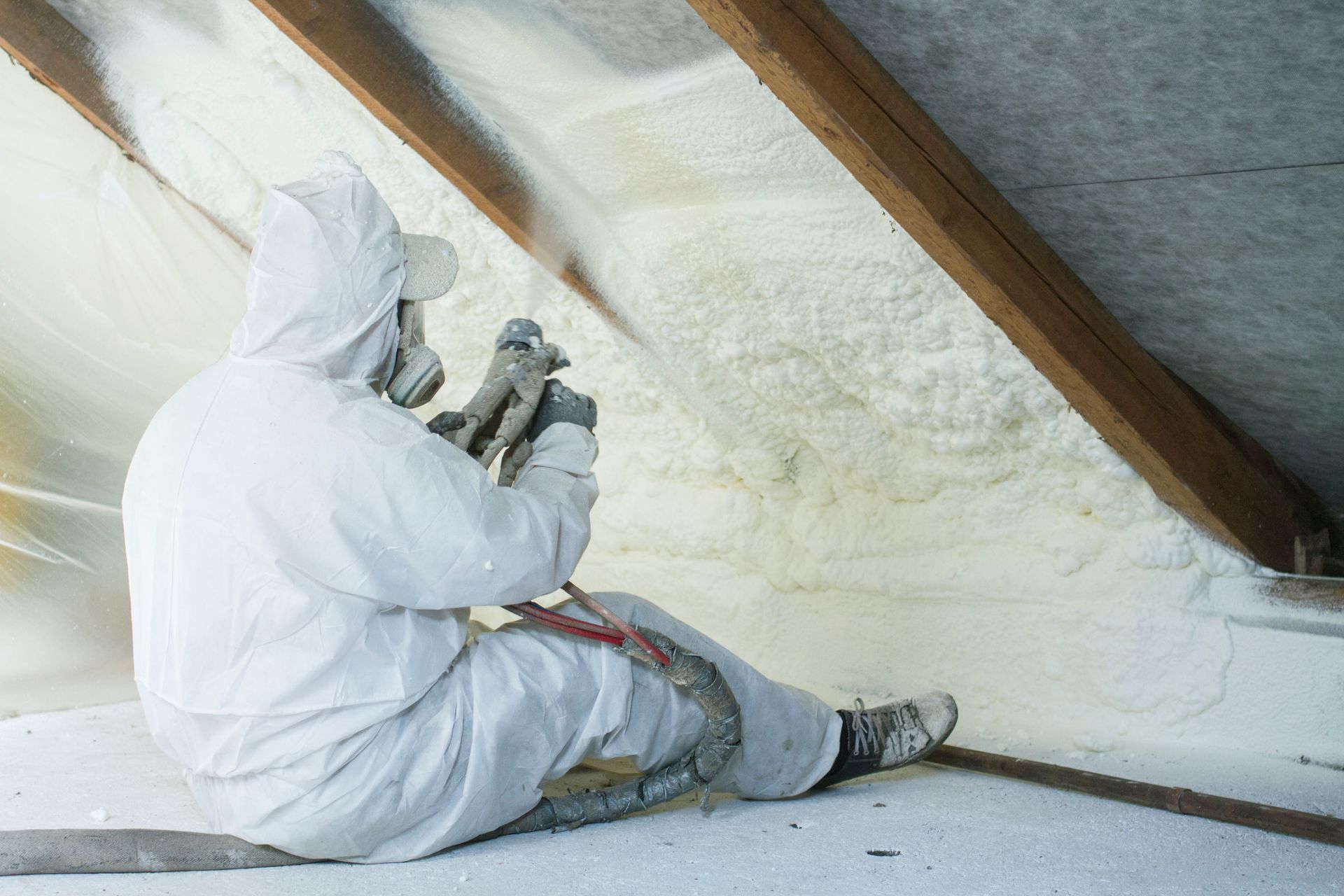
Beyond material selection, professional insulation installation requires specialized equipment, safety protocols, and technical proficiency to execute effectively. Certified installers understand how to handle hazardous materials safely and apply complex chemical formulations, such as spray polyurethane foam, under controlled conditions. Professional crews ensure uniform application thickness, eliminate structural air pockets, maintain safe clearances around heat-generating fixtures like chimneys and recessed lights, and preserve necessary attic ventilation paths. Their strict adherence to local building codes and safety regulations guarantees that your property remains fully compliant while maximizing thermal performance.
Avoiding Costly Installation Mistakes
Amateur or unguided DIY insulation attempts frequently lead to performance flaws, unexpected structural issues, and inflated long-term expenses. One of the most prevalent DIY errors is selecting incorrect materials or underestimating required R-values for specific climatic zones. Installing insulation with inadequate thermal resistance fails to halt heat exchange, leaving rooms uncomfortable and forcing HVAC systems to operate continuously. Furthermore, improperly compressing materials, such as squeezing thick fiberglass batts into tight wall cavities, significantly degrades their inherent R-value by eliminating the trapped air pockets necessary for optimal thermal resistance.
Another major hazard associated with amateur installations is the failure to address air leaks and moisture dynamics. Simply laying new insulation over unsealed air gaps allows conditioned air to pass straight through, carrying moisture directly into structural cavities. Without proper air barriers and balanced ventilation, trapped humidity can lead to wood rot, degraded structural integrity, and destructive mold growth. Additionally, blocking soffit vents with attic insulation starves the attic of airflow, causing severe ice damming in winter and excessive heat buildup in summer. These costly errors can quickly outweigh any initial savings realized by attempting a self-performed installation.
Achieving complete, gap-free coverage around complex structural obstacles requires professional training and specialized high-pressure equipment. Irregular features such as electrical junction boxes, piping, ductwork, and angled framing members are notoriously difficult to insulate correctly without technical expertise. Gaps as small as five percent in an insulation layer can reduce its overall effectiveness by up to fifty percent. Working with a professional insulation contractor eliminates these common installation traps, ensuring your building receives a seamless, properly ventilated, and highly effective thermal barrier that performs reliably over time.
Investing in Advanced Building Technologies
The field of building science has advanced rapidly in recent years, introducing innovative insulation products designed to deliver exceptional energy performance while supporting environmental sustainability. Modern spray polyurethane foam systems, for instance, offer unmatched R-values per inch while simultaneously functioning as high-performance air barriers and vapor retarders. Newer low-VOC formulations reduce chemical off-gassing, ensuring superior indoor air quality during and after installation. These advanced formulations expand dynamically upon application, effortlessly filling minute cracks, irregular voids, and structural crevices that traditional insulation materials cannot effectively seal.
Sustainable insulation materials have also emerged as highly effective options for eco-conscious property owners seeking top-tier energy efficiency. Dense-packed cellulose insulation, manufactured primarily from recycled post-consumer paper treated with natural borate fire retardants, provides superior sound dampening alongside exceptional thermal resistance. Mineral wool insulation, composed of natural rock and recycled slag, offers outstanding fire resistance, water repellency, and thermal protection. These eco-friendly choices lower the embodied carbon footprint of renovation projects while providing long-lasting energy savings and enhanced interior acoustic insulation.
Maximizing Long-Term Utility Savings
Selecting the right insulation contractor is a crucial final step in ensuring your energy efficiency project yields maximum financial returns. Property owners should conduct thorough research by reviewing local references, checking verified customer testimonials, and ensuring prospective contractors hold valid state licenses and comprehensive liability insurance. Working with contractors certified by recognized industry bodies, such as the Building Performance Institute (BPI) or the Residential Energy Services Network (RESNET), guarantees that your project will be executed in accordance with modern building science standards.
Evaluating multi-vendor estimates requires looking beyond the bottom-line price to compare material types, density specifications, intended R-values, and air sealing scopes. A trustworthy contractor provides itemized written proposals that clearly explain how proposed improvements will address specific energy loss points across your building. They will also assist you in identifying local rebate programs and tax incentives that offset initial project investments. Establishing a clear, detailed scope of work ensures project transparency and guarantees that your chosen thermal upgrades will deliver predicted utility bill reductions.
Investing in professional insulation services provides a high return on investment that pays continuous dividends through lower operational costs, improved structural durability, and enhanced property resale values. Prospective buyers increasingly prioritize energy-efficient homes and commercial spaces that offer predictable, low utility expenses. By taking action to upgrade your building's thermal performance today, you secure long-term financial savings while creating a healthier, more comfortable interior environment. For more information about the services that we offer, reach out to our incredible team at Above All Insulation today!